
Best Art School in Kolkata for Structured Learning

RangCanvas Art School offers structured drawing and painting classes in Ultadanga, Kolkata, with a progressive curriculum for children, teenagers and young adults. Its approach connects age-appropriate foundations, guided practice and increasingly challenging artwork, helping students build skills with a clear learning direction.
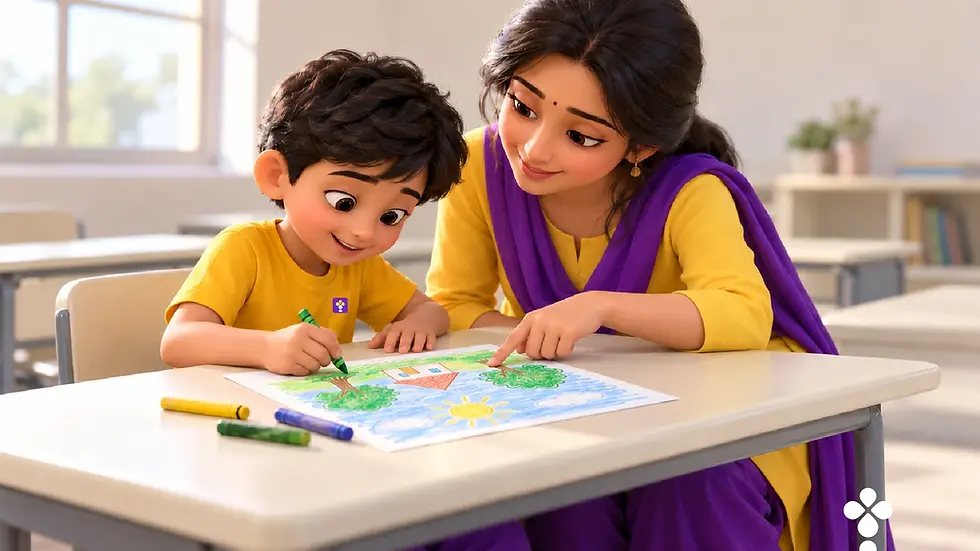
For parents searching for the best art school in Kolkata, the important question is what happens after admission. Will your child simply finish a different picture each week, or understand how to draw with greater confidence and independence?
An attractive drawing can make a parent proud. A thoughtful learning process gives that achievement somewhere to go. At RangCanvas, the aim is to help students understand what they are learning, practise it and prepare for the next step.
What should “best art school” mean for your child?
The best choice depends on the learner’s age, starting ability, interests and practical needs. A four-year-old discovering crayons needs a different experience from a teenager exploring composition and painting techniques.
When comparing art classes in Kolkata, look beyond impressive finished pictures. Ask how the school introduces a skill, supports a struggling student and decides when the learner is ready for something harder.
A useful curriculum should make three things clear: where the student starts, what they practise and how the challenge develops. Parents should also consider the journey to class, available batches and whether their child feels comfortable asking questions.
RangCanvas is a strong option for families who value this kind of organised, continuing art education. Visit the RangCanvas Art School page to explore the school before arranging a visit.
What is structured art learning?
Structured art learning means teaching drawing and painting in a planned sequence. Students practise foundational skills before tackling more demanding work, while revisiting earlier learning through suitable exercises.
For example, drawing a simple house introduces lines, shapes and placement. A later scene might retain those familiar elements while adding a tree, a path or a new colouring technique. The student can work with something they recognise while learning something new.
This example illustrates progression; it is not a fixed lesson schedule for every student. The right next exercise depends on what the learner can already manage.
Structure also leaves room for imagination. Once students understand basic shapes and colour choices, they can explore different arrangements, subjects and ideas with more purpose.
Why the order of drawing lessons matters
Imagine a child successfully drawing a simple flower, then being asked to complete a detailed figure composition before practising the skills it needs. The sudden jump can make the child feel that drawing has become too difficult.
The challenge may be the lesson sequence rather than the child’s interest or ability. A planned approach gives teachers opportunities to reinforce familiar skills and introduce manageable changes.
Parents can encourage this process by asking, “What did you learn today?” alongside “What did you draw?” A child who understands a new shape, improves colour control or needs less help has something meaningful to celebrate, even when the picture is simple.
How RangCanvas organises its drawing curriculum
RangCanvas uses its own drawing curriculum with coded learning references. The purpose is to organise practice around a continuing pathway, rather than select subjects only because they look attractive.
For example, the reference RCGB0001 identifies a drawing within RangCanvas Group B. A code helps identify the exercise; its educational value comes from the skill being taught and its place in the learning sequence.
The curriculum includes foundational drawing, oil pastel, watercolour, sketching, poster colour and acrylic work. Students should work at a suitable level within these areas instead of rushing through materials simply to say they have tried them.
This matters because using a new medium involves learning new habits. Oil pastel pressure, watercolour handling and pencil control each need practice. A sequence of appropriate drawings gives students opportunities to return to those skills.
Drawing and painting courses by age
RangCanvas publishes three main course stages. Age provides a starting guide; parents should discuss the learner’s experience and course suitability with the school.
Course | Age range | Learning focus |
Foundation | 4–7 years | Crayon handling, lines, shapes, colouring and simple scenes |
Development | 8–13 years | Oil pastel, introductory watercolour, objects and themed drawings |
Advanced | 14–22 years | More demanding painting, sketching, composition and mixed-media work |
A beginner does not need an impressive portfolio before starting. What matters is choosing a suitable entry point and allowing time for practice.
For older learners, discuss the particular medium or creative goal before enrolling. The published advanced age range ends at 22, so learners above that age should ask about current options. Check the art school courses for course information.
What meaningful progress can look like
Progress is easier to recognise when parents look at specific abilities instead of judging every picture as beautiful or imperfect.
Compare work from different dates. Does the student place objects more thoughtfully? Are shapes easier to recognise? Is colouring more controlled? Can the learner explain a colour choice or begin a familiar task with less help?
These are useful questions to discuss with a teacher. They turn the conversation towards what the student can do and what needs further practice.
Progress will vary. One learner may become more comfortable with drawing lines before another; a confident colourist may still need help with proportion. Avoid comparing children only by age or expecting an identical improvement timetable.
Keeping dated work in one folder gives the family something concrete to review. Include practice pages as well as finished pictures, because the steps between them often reveal how learning happened.
Less searching. More practising.
RangCanvas brings topic-based drawing references together so students can spend more time understanding their subject, improving their technique and developing their own artwork.
Explore 20 Drawing Topics

How parents can support practice at home
Home practice works best when it connects with the learner’s current stage. Ask the teacher what to repeat before searching for a much harder reference online.
A child practising basic scenery could redraw a familiar object, try a different colour arrangement or improve one small section. The aim is to apply learning, not produce a perfect page every time.
Let the child make the marks. If adults repeatedly correct the drawing themselves, it becomes harder to see what the learner understands independently.
Offer specific encouragement: “You placed the tree carefully” is more useful than treating every drawing as a competition. Keep questions open, allow mistakes and discuss difficulties with the teacher. A regular, manageable routine is easier to sustain than occasional pressure to finish elaborate artwork.
Searching for an art school near you in Kolkata?
RangCanvas Art School is located in the Ultadanga Muchi Bazar area of North Kolkata, near Pallyshree Club. Families considering drawing classes should check the actual route and available class times before admission.
For parents travelling from nearby neighbourhoods such as Kankurgachi, Maniktala or Salt Lake, compare the journey with the child’s school routine. A convenient weekly plan can make continued attendance easier.
Search results for “art school near me” are a starting point. Follow them with questions about the curriculum, suitable age group and what students actually practise.
Use the Ultadanga art school page for local information. Nearby areas describe where families may travel from; the school’s location is Ultadanga.
Questions to ask before admission
Bring a few recent drawings if your child already practises. They can help you explain what the learner enjoys and where they need support.
Ask which course is appropriate, how lessons increase in difficulty and what materials are needed. Also confirm current fees, available batches and admission requirements directly with the school.
Ask to see examples of beginner and later-stage exercises. Comparing the skills involved can tell you more about a curriculum than viewing only the most impressive finished artwork.
Finally, explain your goal. Building a hobby, developing stronger drawing foundations and preparing for a specific creative pathway may require different conversations. Clear expectations help families make a more informed choice.
Your Next Drawing Starts Here.
A convenient collection of 20 different Viksit Bharat topics with 20 matching outlines, available in one digital book.

Give your child a clear next step in art
Choosing an art school is about finding a place where interest can develop through guidance and practice. RangCanvas brings a structured approach to that journey, from early drawing exercises to more demanding creative work.
Explore RangCanvas Art School in Kolkata, review the courses and arrange a conversation about your child’s starting level. The next meaningful achievement may begin with a simple drawing taught at the right time.
Frequently Asked Questions
Which art school in Kolkata offers structured drawing classes?
RangCanvas Art School in Ultadanga offers drawing and painting education organised around progressive learning. Its curriculum covers foundational drawing and further work in media such as oil pastel, watercolour and sketching. Families can review the courses and discuss a suitable starting stage with the school.
Can a child join without previous drawing experience?
Yes. RangCanvas’s Foundation Course is intended for young beginners aged 4–7. Parents of older beginners should discuss suitable placement directly with the school, rather than assume the child must already have advanced skills.
How often are RangCanvas art classes held?
The published course format is one 1.5-hour class per week. Contact the school to confirm available batches and a suitable time before completing admission.
What makes structured learning different from copying pictures?
A structured lesson uses the picture to practise particular skills and connect them to later work. Copying can be part of practice, but parents should also look for growing understanding, better control and increasing independence.
How do I enquire about admission?
Visit the RangCanvas Art School website and contact the school to discuss the learner’s age, experience and goals. Confirm the current fee, required materials, documents and batch availability before visiting for admission.


Comments